
In a place where “all the women are strong, all the men are good-looking, and all the children are above average (thank you Garrison Keillor),” we tend to focus on the superlatives when it comes to water as well. Our largest inland lake is Red Lake (Upper and Lower combined), which is a whopping 288,800 acres in size. The deepest natural lake is Lake Saganaga in Cook County, which is 240 feet deep. Our famous North Shore runs along Lake Superior, the greatest of the Great Lakes at 31,700 square miles. And, though we call ourselves “The Land of 10,000 lakes,” we actually have 11,842. Not that anyone is counting…very much. Or bragging…more than a little.

As much as we like to focus on the biggest and the best, however, roughly 70% of Minnesota’s lakes are actually considered natural environment lakes, a shoreland classification that is generally applied to shallow lakes with limited capacity to absorb the impacts of development and recreational use. Though they might not win us bragging rights, Minnesota’s smaller lakes are usually hydrologically connected to large lakes and river systems and provide critical habitat for migratory birds, turtles, frogs, and other wildlife. They also contribute to the beauty and character of our rural places.
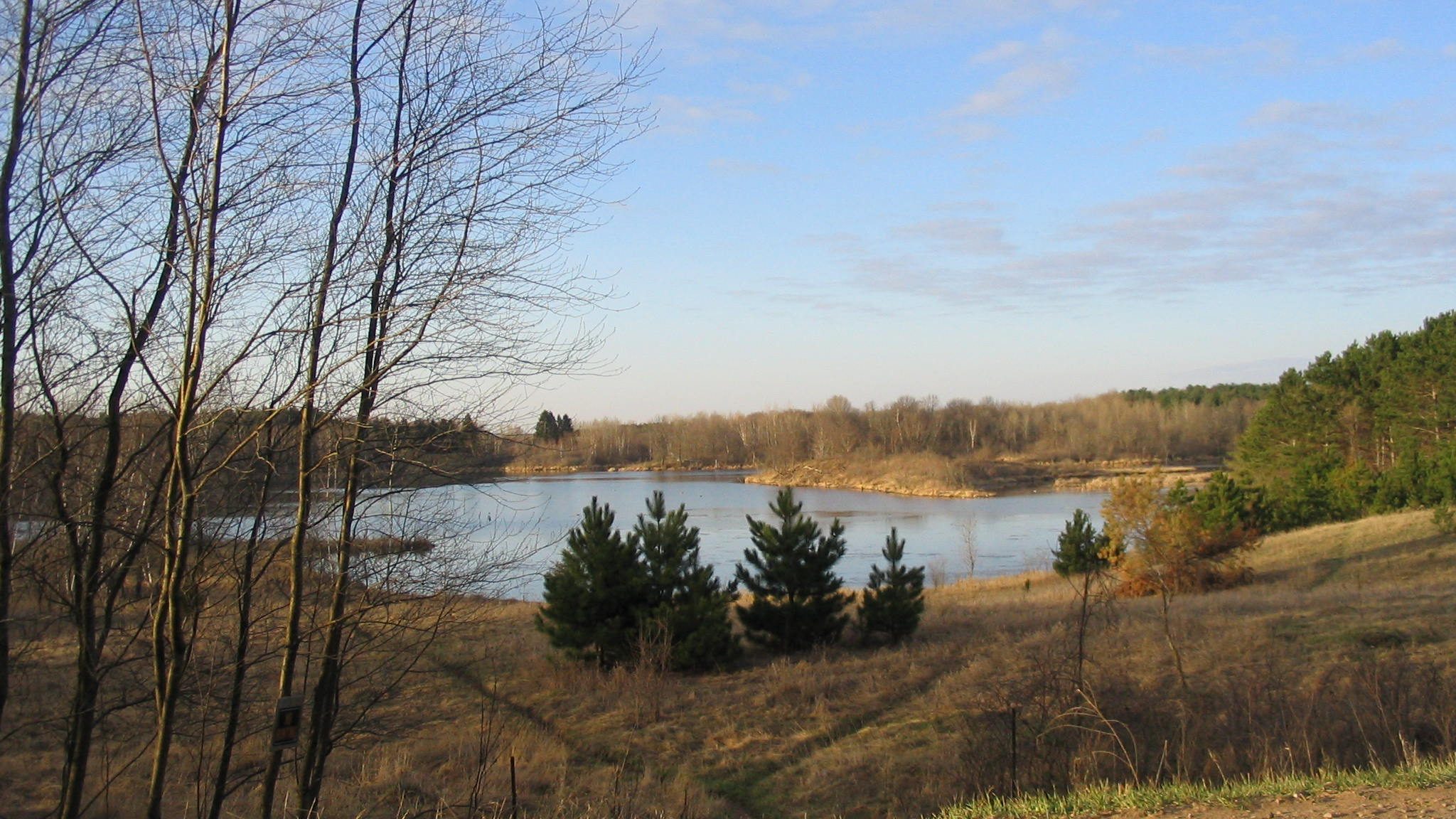
One of the characteristics of shallow lakes that people tend to find confounding is the fact that they are usually full of aquatic plants. These plants are the building blocks for life and provide oxygen for fish, as well as food and shelter for a range of birds, mammals, reptiles, amphibians and fish. Any angler can tell you that the best fishing spots are typically near aquatic plant beds where the fish can spawn, find food and hide from predators.
In addition to providing food and habitat for wildlife, aquatic plants actually help to keep lake water cleaner too. The plants act as a filtering system, helping to clarify the water by absorbing nutrients like phosphorus and nitrogen that could stimulate algal blooms. Plant beds also stabilize soft lake and river bottoms and reduce shoreline erosion by softening the effect of waves and current. The role of rooted aquatic plants is especially important in shallow lakes, which tend to exist in one of two states, either clear water with plants or green, algae-filled water with no plants.
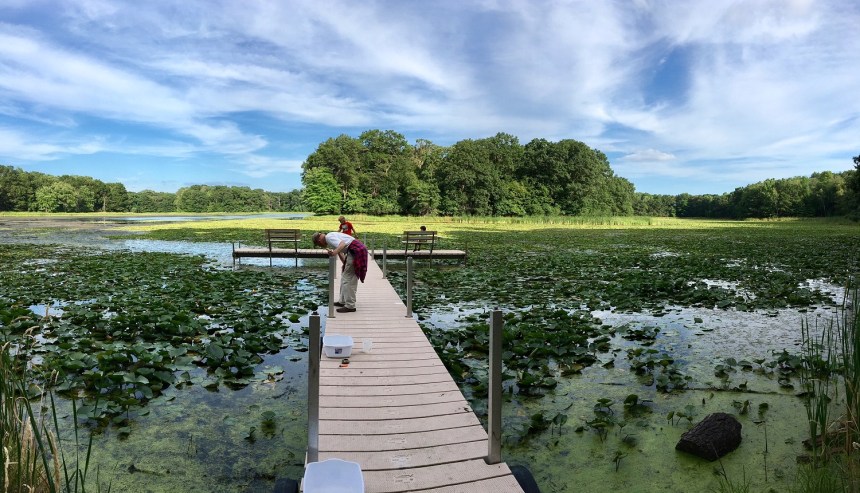
Oftentimes, as rural areas begin to develop more intensively, people start removing aquatic plants along the shorelines to gain better access to the water. When too many shoreline aquatic plants are removed, however, the wildlife structure can quickly change from one that supports walleye, bass, Blanding’s turtles, frogs, herons and egrets to one that is mostly comprised of carp, bullheads and a whole lot of geese.
In Washington County, local government partners have been working for more than two decades to reverse the damage to local lakes caused by development and agriculture. Taking Lily Lake in Stillwater off of the impaired waters list was a newsworthy accomplishment, but local partners have also worked hard to restore shallow, natural environment lakes such as East Boot in May Twp., South Twin in Stillwater, Hay in Scandia, and Plaisted in Hugo.
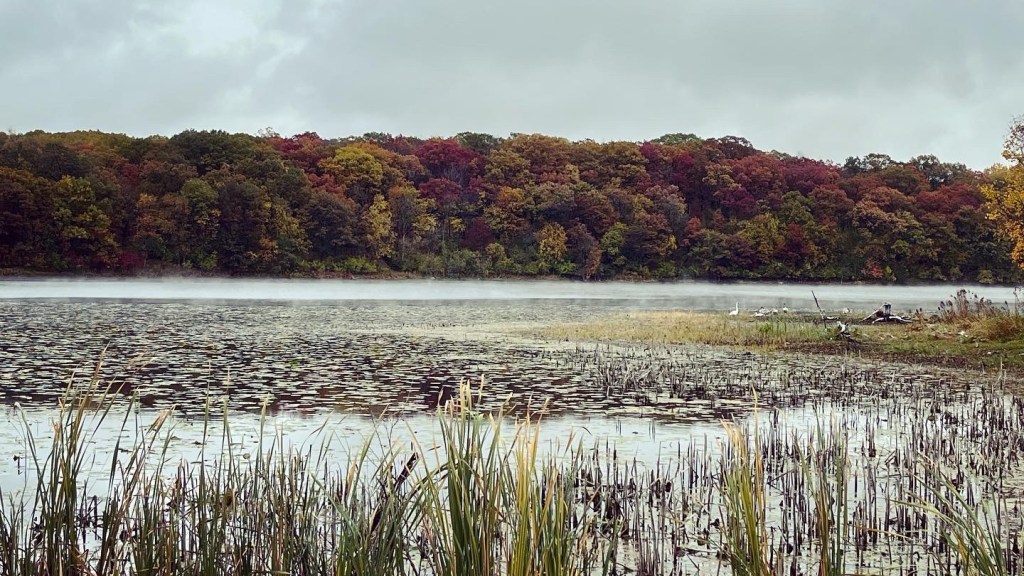
“East Boot has been one of the most dramatic improvement stories in Washington County,” says Erik Anderson, a Senior Water Resource Specialist at Washington Conservation District. “When I first started this job in the early 2000s, the lake would turn pea green with algae every summer. Now the water is clear and it was actually taken off the state’s impaired water’s list last year.”
Next month, the Lower St. Croix Watershed Partnership will host a free webinar on Wednesday, Nov. 8 at 6:30pm entitled, “Living Large on a Small Lake – Exploring Natural Environment Lakes,” Enjoy a presentation by Joe Bischoff, Senior Aquatic Ecologist at Barr Engineering, gain insights into conservation efforts to monitor and safeguard small lakes earmarked for development, and engage in an interactive Q&A session. Register at tinyurl.com/small-lakes.


